Contact Dr. Novick at (408) 946-6888 or (650) 855-9626 | New Clients Save $40 Off Your First Visit
ID Microchips
ID Microchips can be used to uniquely identify your horse
Many Breeding organizations require ID Microchips
All Hunter/Jumper horse competing in USEF Horseshows need ID Microchips
If your horse is scattered in a California Wildfire an ID Microchip can uniquely identify him
If you horse is stolen and recovered an ID Microchip can uniquely identify him
By implanting an ID Microchip, you make it easier for shows, breeding programs and government officials to identify your horse and you make it harder for the thieves to sell your horse
About the ID Microchip
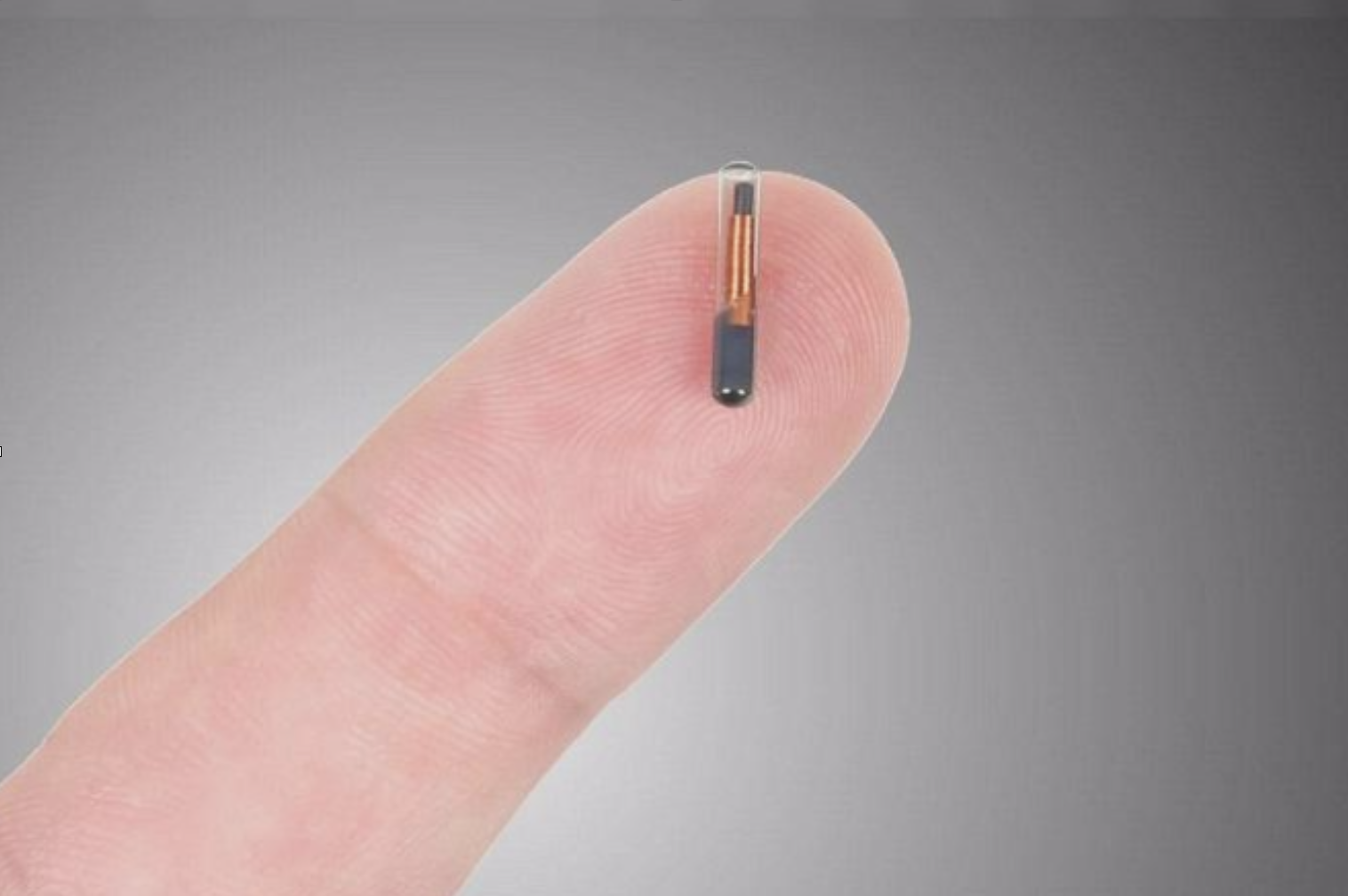
The size of a single grain of rice, the ID Microchip is a safe, inexpensive and permanent method of identifying your horse. Already used on thousands of horses and millions animals, the ID Microchip is expected to become the standard for animal identification.
The ID Microchip is available to horse owners in California by Dr. Douglas Novick.
How does the ID Microchip work?
The tiny ID Microchip is the size of a grain of rice is inserted into a ligament in the back of your horse's neck. The procedure takes about three minutes. The chip is encoded with a 15 or more -digit alphanumeric code that is never duplicated. A hand held scanner passed over the chip reads and displays the identifying number.

Unlike a tattoo which can fade and blur or a freeze brand symbol which can be hard to interpret, the ID number encoded by the chip will last for over 25 years reading out a its alphanumeric code that will not change.
What happens if my horse is stolen or scattered in a wildfire?
First report the theft or loss to your local police or sheriff's department. Be sure to get a case number from them. You should also contact the California Brand Inspectors.
Stolen horses change hands many times. They may be sold through public auctions and can unknowingly be purchased for horsemeat. The transaction can happen within a few hours to a couple of days.
Brand Inspectors can scan horses leaving California matching your horse's description once they are notified that a horse containing an ID Microchip has been stolen.
How will anyone know my horse has the id chip inside?
Without a scanner, the ID Microchip is undetectable from the outside to protect the aesthetics of your horse. At the time of the ID Microchip implantation, Dr. Novick will give you the opportunity to identify to potential thieves and government officials that your horse has an ID Microchip by offering to freeze brand a symbol on your horse. This is done on either side of the neck or the inside of the back leg. The freeze brand symbol gives you an external non-unique way of identify your horse, which can then be uniquely identified by scanning the ID microchip.
Special arrangements may be made for groups and horses implanted outside of Dr. Novick's routine practice area.
Answers to other commonly asked questions.
Can the ID Microchip be deactivated?
No. The chips contain no battery and are activated and respond only to a radio signal from the hand held scanners.
Is there any way to remove the chip?
While technically possible, the effort needed to find something size of a single grain of rice in something the size of a horses neck has been shown to be extremely difficult thus making it not worth the time and expense. It is so safe; it can be left in your horse permanently.
Can a horse have a reaction to the chips? Will it cause any injury to my horse’s neck? Will it hamper his performance?
Experience on thousands of horses and millions of other animals have shown the chip to be safe and effective. It is encased in medically tested materials that should not affect your horse's performance. The chip is inserted within a sterilized needle resulting in the minimum possibility of infection.
Where have the ID chips been use before?
Included among the places the ID Microchips are currently used are the horses of the Mounties in Canada, on mustangs in the United States, the cavalry horses in Spain and over tens of thousands of horses in Europe. Multiple breed registries require ID Microchips for registration and all Hunter Jumper horses showing in USEF sanctioned competitions require one.
Schedule an Appointment for ID Microchips
Please note that this form is a request only, we will contact you to confirm your appointment date and time. If you have immediate questions, please contact Dr. Novick at (408) 946-6888 or (650) 855-9626.